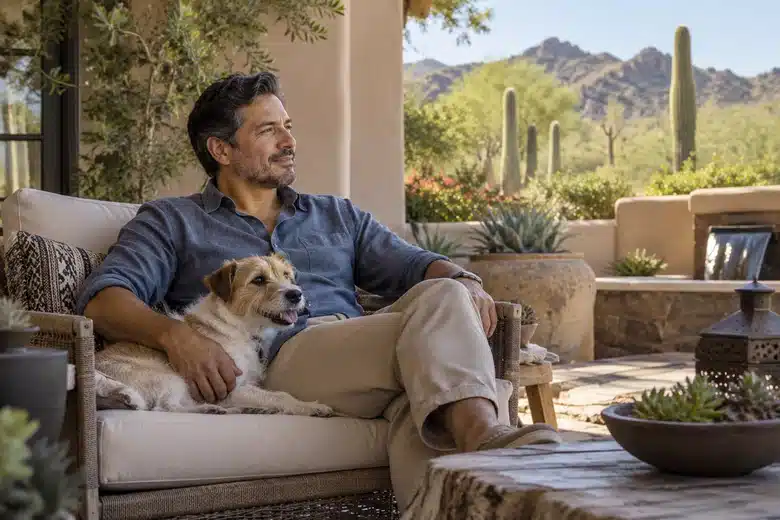
pet insurance scottsdale: what finally tipped my decision
I put this off last year and felt fine about it - until I didn't. Coming back to the same short list now, I'm clearer on what I want: steadier costs, fair reimbursements, and fewer surprises at renewal. Scottsdale life isn't dramatic, but the desert finds tiny ways to test a budget.
Why I'm revisiting this now
My dog just hit another birthday, which nudges rates upward. I'd rather lock in a plan before the next hike-and-swim season, when we split time between the canal path and the McDowell Sonoran trails. Also, I've seen how claims actually work here. Small note: I used to think networks mattered. Correction - most pet policies let you visit any licensed vet, which removes a headache I invented for myself.
What feels fair and stable
Fairness shows up in three places: what's covered, how the deductible behaves, and how renewals are handled. Stability is about transparency - clear terms, consistent reimbursements, and increases that are explained rather than shrugged at.
- Coverage: illness, accidents, and the boring-but-critical stuff like exam fees and prescriptions.
- Deductible style: annual vs per-condition. For ongoing issues, annual usually feels calmer.
- Reimbursement: 70 - 90% is common; I lean toward the middle when it keeps premiums predictable.
- Renewal candor: I look for plain language about age-based price changes and no gimmicky "intro" rates.
Desert realities I actually check for
- Valley fever (long treatment arcs): meds, monitoring, and follow-ups.
- Heat-related illness: IV fluids, hospitalization if needed.
- Cactus spines and foxtails: sedation, imaging, removal.
- Snakebites: ER care; antivenin is pricey, so I verify limits.
- Chronic care: no arbitrary caps that reset mid-illness.
Real moment: last fall near the Gateway Trailhead, my mutt brushed a cholla and we landed at an after-hours clinic off the 101. The invoice was...motivating. The front desk printed the itemized charges and, more importantly, flagged which line items past clients usually get reimbursed for. That grounded my expectations.
Timing the decision (without getting cornered)
There's no magic enrollment window, but timing still matters. Waiting periods exist - accidents are short, illnesses a bit longer, and knees/ligaments can have extra waits. I'd rather start a policy a few weeks before big activity ramps up, not the night after a limping incident.
- Confirm waiting periods for accidents, illnesses, and orthopedic conditions.
- Ask how the first policy year sets the baseline for "pre-existing."
- Check if exam fees are included - surprisingly impactful with frequent desert check-ins.
Small self-check I'm making
I was convinced a lower deductible always wins. Small adjustment: for something like valley fever, a slightly higher deductible with a steadier premium can feel more humane across a long treatment timeline.
Documents and claim flow I expect
- Itemized invoice with diagnosis codes when possible.
- Vet notes (SOAP) and lab results if it's not a simple accident.
- Direct deposit option and a claims portal that shows status without mystery.
Wellness add-ons, briefly
They're fine for budgeting vaccines and cleanings, but they rarely "save" money. I treat them like a payment plan, not a discount engine.
My decision rhythm
Tonight I'm shortlisting two policies that include exam fees and have clear language on chronic care. Tomorrow I'll call my regular vet in North Scottsdale to ask which carriers reimburse smoothly. If their answers match what I've read, I'll start coverage this week and stop hovering over "what-ifs." Stability over cleverness, fairness over flash - that's the point.